Craft breweries and small wineries live and die by control. Recipes can be perfected, fruit sourced with care, and cellaring schedules planned to the day, and yet a few degrees in the wrong direction can undo months of work. Temperature-controlled storage isn’t glamorous. It sits in the background, humming along, eating electricity and square footage. It also preserves flavor, ensures regulatory compliance, and absorbs seasonal swings that would otherwise batter your inventory and cash flow.
What follows draws on lessons from brewhouses and barrel rooms, refrigerated docks, and third-party cold storage facilities. It’s meant for operators who already know how beer and wine should taste and want a practical view of how to keep those flavors intact from production through distribution.
Flavor is fragile, and heat is ruthless
A brewer who shipped a summer batch of unfiltered pale ale in uninsulated cases learned this the hard way. The beer left bright and aromatic, sat a weekend in a box truck on a 95 F lot, and tasted like cardboard by Thursday. Oxygen did its work, accelerated by heat, and hop compounds fell flat. The product was technically safe, but the brand took a hit.
Wine suffers differently. A Texas Hill Country winery once stored a small run of 2021 rosé in a warm warehouse corner for two weeks awaiting label approvals. Bottle temperatures peaked at an estimated 82 to 85 F. The result was subtle but unmistakable: a browning edge in the color, muted strawberry notes, and a touch of cooked fruit on the nose. Not faulty, but no longer what the winemaker intended.
These are ordinary mistakes. Temperature-controlled storage exists to make them rare.
What different products actually need
The right temperature is not a single number. It’s a range matched to product, format, and time in storage.
Beer behaves best cold. Most finished beer likes 32 to 38 F. That range slows staling reactions by half or more for every 10 F you shave off, a relationship brewers feel even if they never chart Arrhenius curves. Pasteurized lagers tolerate 38 to 45 F during distribution, though pasteurization doesn’t rescue hop aroma. Unpasteurized, hop-forward beers want the colder end, especially hazy IPAs with fragile polyphenol-protein complexes. Bottle-conditioned and mixed-culture beers fall closer to 45 to 55 F if you want them to evolve, but if your goal is stability, keep them in the mid-30s and the refermentation will idle.
Wine has its own rhythm. Bulk wine in tank prefers 55 to 60 F for white and rosé, a few degrees higher for reds, with stability gaining from consistent temperature more than precision. Bottled white wines and rosés appreciate 45 to 55 F, which protects freshness without risking tartrate precipitation from extreme cold. Reds hold up well around 55 to 60 F. Sparkling wine is happiest on the colder side before disgorgement and again after dosage. Extended storage at 65 F and above increases the pace of aging, which can be welcome in a cellar program yet unforgiving on finished bottles awaiting retail. Light is a separate enemy. Even brief exposure to UV can produce lightstruck aromas in beer and degrade delicate wine aromatics, so dark storage or UV-filtered lighting is part of the brief.
Humidity earns less attention than it deserves. For cork-finished wines, 60 to 70 percent relative humidity helps maintain cork elasticity and prevents desiccation, especially in drier climates. Cans and crown-capped beer care primarily about condensation control and corrosion management, which means keeping dew points matched to room temperature and allowing time for warm, humid air to purge before loading cold freight.
The real case for temperature control is financial
It’s easy to frame the problem as flavor stewardship, and that’s true. But the return on temperature-controlled storage shows up in fewer write-offs, steadier sell-through, and better negotiation power with distributors and retailers.
Consider breakage and returns. One midsize brewery I worked with tracked returns over five summers. When their distribution partner routed all finished beer through a refrigerated storage facility rather than a mixed ambient warehouse, stale returns fell by roughly 40 percent year over year. They didn’t change the recipe or the label. The only change was storing and staging at 34 to 36 F and loading cold onto refrigerated trucks when available. Those returns had represented tens of thousands of dollars in revenue and a larger number in reputation.
Insurance and compliance make their presence felt too. Some policies require temperature logs for perishable goods to honor claims. HACCP-style documentation isn’t only for food processors. Breweries and wineries that can produce temperature histories from production through storage are far better positioned in a dispute about compromised product. The cost of a sensor and a cloud logger is trivial compared to a rejected pallet.
Owning cold rooms versus renting space
Every operator confronts the same fork at some point. Do you build your own cold storage or rely on a third-party cold storage warehouse? The answer changes as you grow, and it often becomes a hybrid.
Owning a cold room gives control. You set the temperature, you know the sanitation schedule, and you can walk in at 6 a.m. and pull a case. A small walk-in of 12 by 20 feet keeps a taproom stocked and a modest wholesale footprint alive. The capital is predictable: insulated panel construction, a condensing unit sized to the heat load, and shelving that won’t rust. Energy costs scale with door openings, load in and out, and ambient heat. For many breweries and wineries, this is the core.
As volumes expand or distribution widens, a cold storage warehouse becomes attractive. A good facility brings refrigerated docks, deep freezers you won’t need, and temperature-controlled storage zones you do. They load freight quickly, stage LTL shipments, and offer inventory visibility and compliance paperwork that makes audits smoother. If you operate in or ship through South Texas, it is worth searching for “cold storage San Antonio TX” or “temperature-controlled storage San Antonio TX” and touring several candidates. You’ll find differences in layout, racking, sanitation standards, and traffic flow that don’t show on a spec sheet.
Hybrid arrangements are common. Keep a right-sized cold room for daily production and tasting room needs, then push finished goods to a third-party refrigerated storage site for regional distribution. This keeps core operations nimble and cash tied up in inventory rather than infrastructure.
What to look for in third-party facilities
Not all cold storage facilities think about beer and wine. Many specialize in proteins, frozen goods, or mixed dry freight. When evaluating a cold storage warehouse near you, focus on practical markers rather than brochures.
Ask about set-point accuracy and control band. There’s a difference between a room that “runs around 35” and one that holds 34 to 36 F with documented logs. Request sample temperature charts. Walk the floor and look for stratification, especially in tall racked zones. If the top of the pallet rack sits three to five degrees warmer than the floor, fragile SKUs shouldn’t live up high.
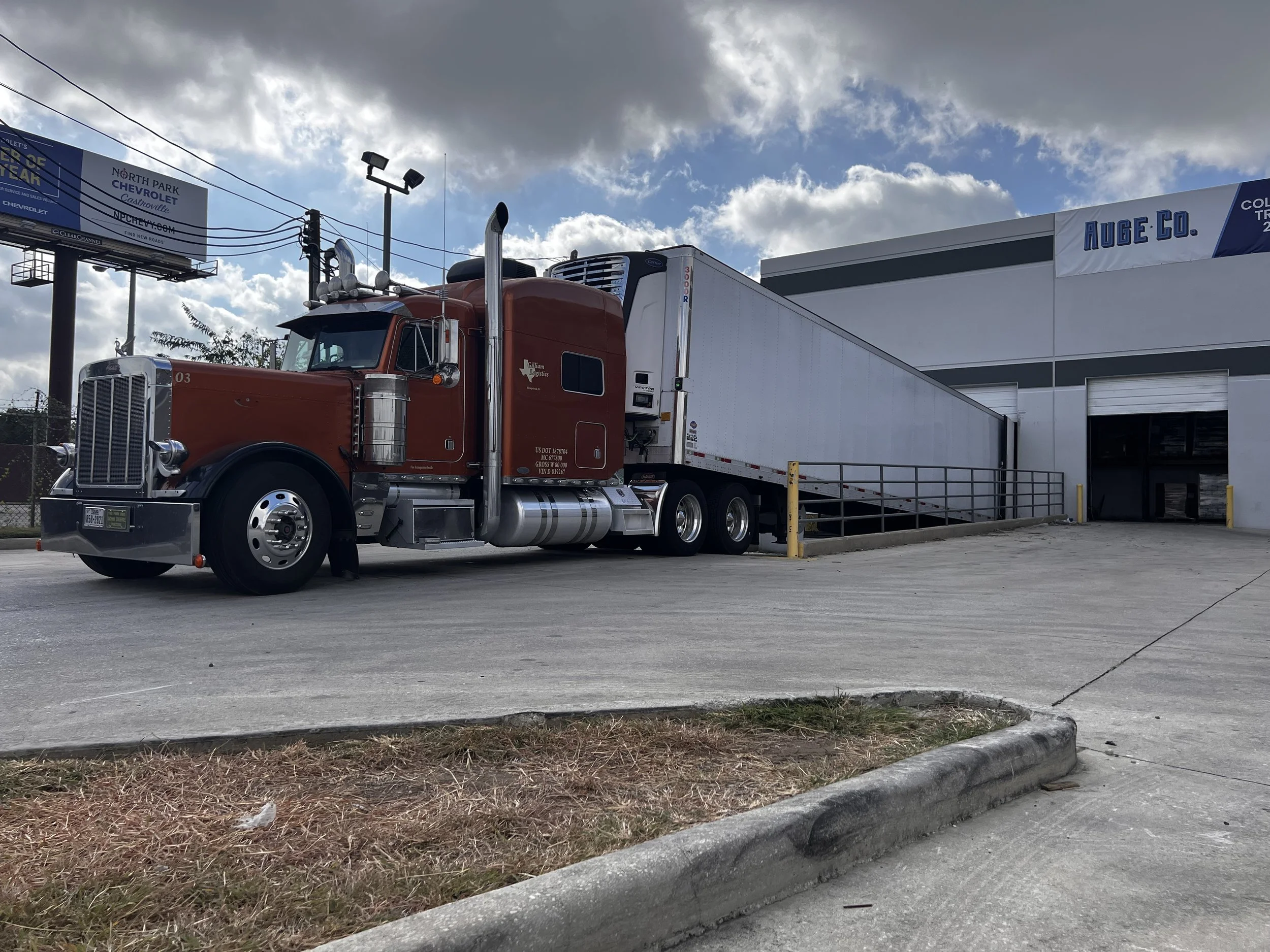
Look at the dock interface. A refrigerated storage facility that maintains a positive cold chain keeps dock doors closed as much as possible, uses dock shelters, and limits how long pallets sit in ambient air during staging. Watch a load-out if you can. Ten minutes of open-door loading in August is an eternity in Texas heat.
Scrutinize sanitation and pest control. Wine and beer don’t attract the same pests as meat or produce, but dust and leaks still happen. Ask how they segregate spill-prone goods from your product, and whether they have a protocol for responding to a pallet of broken bottles.
Probe inventory systems. If the warehouse tracks lot codes, production dates, and temperature excursions in the same system, you gain traceability. If they cannot easily rotate stock FIFO and document it, you will rotate returns later.
Finally, get very clear on service scope and fees. Some “cold storage near me” results will be simple warehousing. Others will offer value-added services like kitting, relabeling, and DSD delivery. Be wary of cheap pallet rates offset by expensive touches, and equally wary of premium rates that promise service levels you don’t need.
Designing your own cold room wisely
The first cold room many breweries and wineries build is undersized. That’s understandable when cash is tight, but a room that can’t handle peak volumes ends up packed to the ceiling, starved of airflow, and uneven in temperature. If your production plan calls for 120 barrels packaged a month and a two-week finished goods buffer, size for that plus 20 to 30 percent headroom. Wineries that bottle seasonally should size for the bottling peak, or plan to overflow to rented refrigerated storage for those months.
Heat load calculations matter. The refrigeration tonnage must handle not just the cubic footage and insulation R-value, but also the heat coming in with warm product, people, lights, and door openings. I have seen rooms that hold 34 F in winter but ride up to 42 F on hot, busy days because they were designed for static loads. Get a contractor who models dynamic usage or be conservative in your sizing.
Insulated panel thickness and floor insulation pay back over time. Walls at four inches and a properly insulated floor reduce cycling and ice build-up. If you skip floor insulation to save money, you may find condensation and heaving later, especially on slabs above grade. Doors should seal tight, and strip curtains or air curtains can help during busy hours.
Lighting should be LED, low heat, and low UV. Sensors keep lights off when no one is in the room. Shelving and racking should allow airflow on all sides. Avoid pushing pallets flush against walls where cold air cannot move, which creates microclimates that drift several degrees warmer.
Condensation is not a minor nuisance. Condensate that drips onto cartons can weaken them, and droplets on cans can create corrosion when combined with cleaning chemicals. Maintain defrost cycles, keep coils clean, and set dew points with care relative to room temperature.
Handling and logistics set the tone
Temperature-controlled storage works only if your handling practices match. You can chill a room perfectly and still compromise product during staging and shipping.
Load beer and wine cold whenever possible. When warm product goes into a 34 F room, it dumps heat into the space and takes hours to chill, during which time it augecoldstorage.com temperature-controlled storage san antonio tx continues to age unfavorably. Pre-cool products in stages if needed. For example, move bottles from 70 F ambient to a 50 F staging area, then into the 34 F room.
Match packaging days to capacity. If your cold room cannot absorb the heat of a full day’s packaging without drifting upward, split runs. Breweries often schedule hoppy beers for the first half of the week, allowing them to be cold-stored and shipped quickly, and leave stouts or more robust styles for later.
Manage doors. Every minute a door sits open invites warm, humid air that condenses on cold surfaces. Train staff to stage efficiently, and consider vestibules or high-speed doors if traffic is heavy.
Transport is a critical link. A refrigerated trailer that is off while loading doesn’t help. Ask carriers to pre-cool trailers to your set point, then verify with a handheld thermometer at the front and back of the trailer. LTL shipments complicate matters since carriers may consolidate freight. Build relationships with carriers who understand alcohol and can provide temperature monitoring. If refrigerated shipping isn’t feasible for every lane, at least protect the hottest months and the most sensitive SKUs.
Monitoring, logging, and alarms
A trustworthy temperature log is a quiet ally. Data loggers that record at five to 15-minute intervals and store to the cloud offer peace of mind and evidence. Place sensors in several locations: near the door, center of the room, and high on racks where heat can stratify. For barrel rooms or tank spaces, log both air and product temperatures when possible. The latter lags air changes and offers a more meaningful view of how your product experiences temperature.
Alarms should be practical. Set bands that avoid false positives but catch problems early. For a 34 F beer room, a high temp alarm at 38 F makes sense, with a delay so brief door openings don’t trigger it. Assign escalation paths so someone answers at 2 a.m. and knows whether to call the refrigeration contractor or simply check that a door isn’t propped open.
Keep calibration on a schedule. Sensors drift. A quarterly check against a certified reference thermometer keeps the logs credible. When a reading seems odd, verify with a second device before you chase a phantom.
Regional realities, especially in Texas heat
San Antonio and the broader South Texas region push systems hard. Summer heat loads arrive early and linger into the evening. The humidity rides high. If you are searching “cold storage warehouse San Antonio TX” or “refrigerated storage San Antonio TX,” expect to see facilities that have invested in thicker insulation, oversized condensers, and aggressive humidity control. That is good news for beer and wine, which favor stable conditions.
Rolling blackouts and grid stress add risk. Many facilities carry backup generators sized to maintain temperature at least in critical zones. If you rely on a third-party temperature-controlled storage San Antonio TX provider, ask about their power redundancy. If you own your cold room, consider a generator or, at minimum, a plan for dry ice or temporary cooling in a prolonged outage. Warm nights are rare in some climates, but not here. A room that loses power at 3 p.m. may sit above 45 F for hours unless you intervene.
Live loading is another regional wrinkle. Lots are hotter, drivers keep doors open to cool off, and well-meaning staff wedge doors during busy periods. Fix this with shaded loading areas, fans outside the cold room rather than inside, and reminders that every minute of open door time raises risk. It is mundane, and it works.
Special cases: barrels, cans, and corks
Barrel programs see temperature differently. A saison in oak often benefits from seasonal swings that drive micro-oxygenation. Aim for a narrow annual band, not a flat line, especially if you’re chasing a particular evolution. For most mixed fermentations in barrel, 55 to 65 F works, with relative humidity around 65 percent to minimize angel’s share. Store spirit barrels and wine barrels separately if the facility allows, primarily to control aromas and sanitation.
Canned beer cares about seam integrity and corrosion. A few degrees of condensation on cans combined with salts from a caustic spill can etch aluminum in days. Keep the cold room clean, rinse off chemical residues, and manage humidity. If you stack pallets two high, mind the top pallet where warmth creeps in and seams may be more stressed.
Cork-finished wine appreciates humidity, but not mold. Balance 60 to 70 percent RH with good airflow. Avoid storing cases directly on concrete where cold diffuses and moisture collects. Pallets with plastic slip sheets trap moisture; use ventilated sheets or corrugated that permits air movement.
Compliance and documentation that actually help
Alcohol distribution involves a thicket of regulations that differ by state and channel. Temperature control documentation is one area where the work you do to protect quality also protects you legally. Keep SOPs for your cold room: set points, cleaning schedules, defrost cycles, emergency procedures. Keep digital logs with access control. When a retailer claims a load arrived warm, you can examine the logs to see whether the issue occurred at your warehouse, in transit, or at receiving. That matters for customer relationships and for claims.
If you store with a third party, request monthly temperature reports and add them to your records. Build a simple intake checklist for each delivery that includes product temperature upon receipt, even if that is a spot check with an infrared thermometer on a bottle or can. Infrared isn’t perfect, but it catches the outliers that need attention.
Costs, trade-offs, and where to put your next dollar
Every operator has a list of “nice to haves” and a shorter list of “must haves.” If you are budgeting, spend first on insulation, right-sized refrigeration, and monitoring. Those three deliver stability at the lowest operating cost. Next, invest in process changes that reduce heat load: packaging earlier in the day, pre-cooling, and mindful door management. Only then look at bells and whistles like mobile racking or fancy warehouse management systems, unless your throughput demands them.
If you are evaluating “cold storage warehouse near me” options and the quotes look steep, compare them to the cost of one major quality failure. A pallet of hazy IPA that drinks flabby and oxidized can cost you more than the monthly fee to store that batch cold for three months. Retailers remember which brands deliver freshness, especially in competitive sets where they taste several IPAs side by side.
There is also the less tangible but real benefit to your team. Working in a clean, well-lit, well-controlled space reduces fatigue and error. Cold rooms that don’t ice over, doors that close properly, and sensible layouts make it easier to do the right thing. That shows up as fewer damaged cases, quicker pick times, and better morale.
How to choose among local options without losing a week to tours
A focused approach saves time. Start with a short list of temperature-controlled storage providers based on geography and access to your routes. For San Antonio operations, proximity to I-10 and I-35 corridors matters for both inbound glass and outbound finished goods. Call three to five facilities and ask the same set of questions: temperature bands, logging, dock practices, inventory systems, and power redundancy. Eliminate any that waffle on documentation or try to talk you into ambient storage with “fast turns.”
Visit the top two. On site, look for simple tells. Floors dry and clean or slick and sweating. Ice on evaporators or coils clean and frost-free. Pallets neatly wrapped and labeled with readable dates or mystery stacks. Staff who can answer questions about your product or only speak in generalities. These observations beat a sales sheet every time.
Negotiate a small trial. Move a portion of your inventory or a single SKU into their care for 60 to 90 days. Monitor temperatures, service responsiveness, and inventory accuracy. Keep a blind holdback in your own cold room and taste side by side at the end of the period. If there is no difference, great. If the trial sample holds a point more aroma or a shade more brightness, you have data worth acting on.
A simple, workable cold chain plan
- Define temperature targets by product: hoppy beers at 32 to 36 F, lagers at 34 to 38 F, whites and rosés at 45 to 55 F, reds at 55 to 60 F. Monitor with at least three sensors per room, log to the cloud, and set practical alarms with an escalation path. Load cold, ship cold when possible, and stage quickly at docks with doors closed. Use a hybrid model: in-house cold room for daily needs, third-party refrigerated storage for distribution and seasonal overflow. Review data monthly, taste from different storage nodes, and adjust routes or partners based on what you find.
The quiet craft of keeping product true
Most guests will never see your cold room or the refrigerated dock where their favorite saison queued for loading. They don’t need to. Their opinion forms in the glass. If a wine arrives bright and lifted in August or a beer drinks as fresh at day 45 as it did at day 10, temperature control did its job.
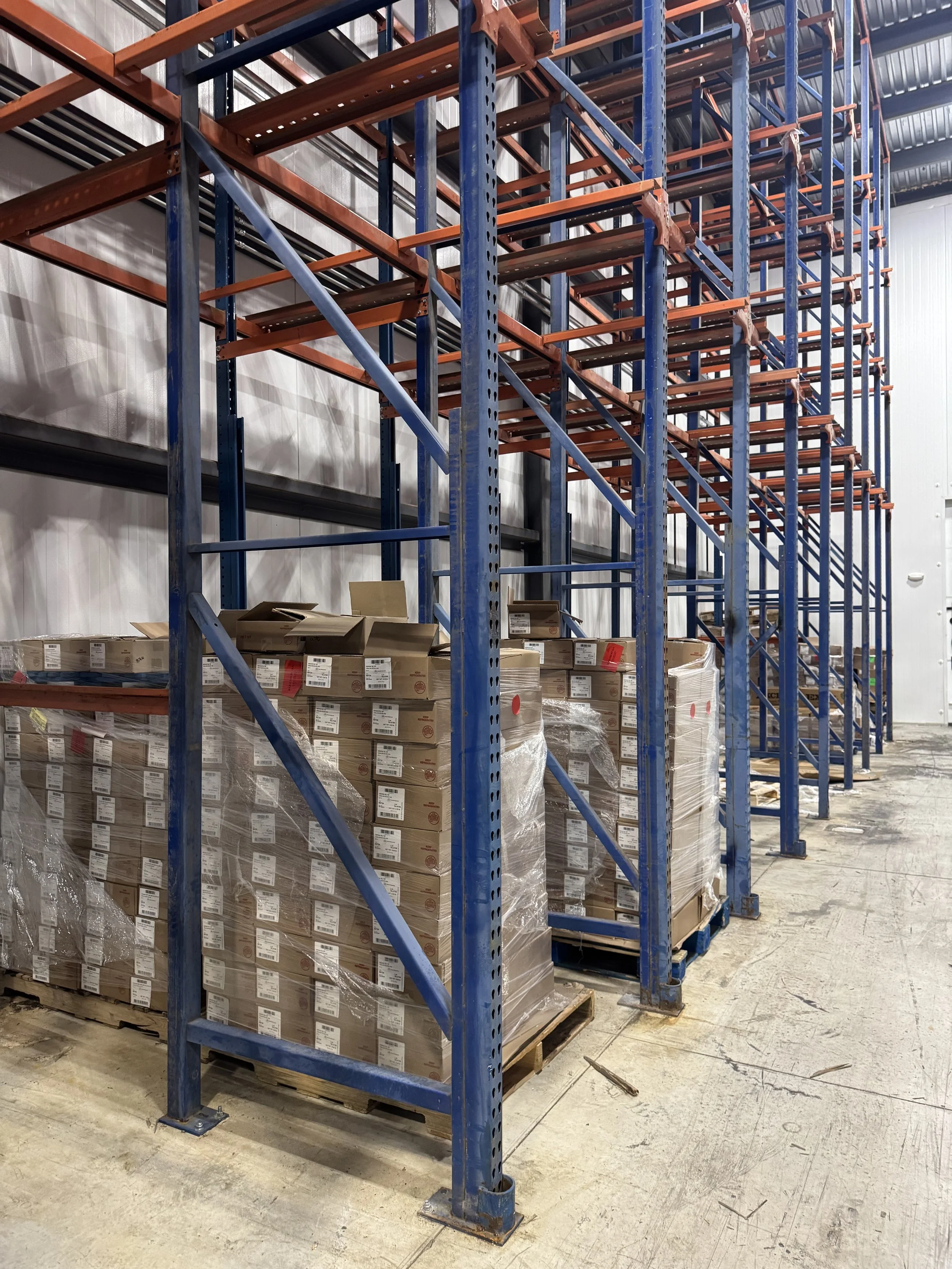
There is satisfaction in that quiet craft. You can feel it when you step into a well-run space: air the right kind of cold, coils humming lightly, cases stacked with room to breathe, and a handheld showing 34.8 F near the door and 35.2 F in the back. Whether you own that room, rent space at a cold storage warehouse, or blend the two, the discipline changes the outcome. For craft breweries and wineries trying to punch above their weight, it is one of the most leveraged investments you can make.
Auge Co. Inc 3940 N PanAm Expy, San Antonio, TX 78219 (210) 640-9940 FH2J+JX San Antonio, Texas