Cold storage looks simple from the outside, just a big chilled box. In practice, the right facility can save you thousands in shrink, weeks in lead time, and more than a few headaches with compliance. I’ve toured enough warehouses to know the difference between a room that “holds temp” and a system that protects product through the entire chain of custody. If you’re searching for cold storage near me or trying to decide between a few options in your city, especially around San Antonio, the checklist below will help you sort the contenders from the risky bets.
What cold storage actually does for your product
Cold storage facilities do more than keep food cold. The best sites manage temperature, humidity, airflow, and handling from receiving through shipping. They have redundancy for power and refrigeration, clean docks that prevent temperature shock, and people who understand the product. This matters because most losses don’t happen at the pallet level, they happen at the interface points, when a trailer backs in, when a door sits open during a pick, when a defrost cycle overlaps with a loadout.
Think of a cold storage warehouse as a system. The building envelope holds the cold, the refrigeration plant drives it, the loading docks leak it, and your standard operating procedures protect it. If any part is weak, you pay for it in quality claims.
A local lens: San Antonio’s climate and infrastructure
If you’re looking for cold storage San Antonio TX and the surrounding I‑35 corridor, the region’s heat and humidity raise the bar. Summer highs often push 95 to 105°F, with dew points that make dock operations sweat. The good news is the logistics network is strong. You’re on a north‑south artery to Austin, Dallas, and Laredo, with east‑west access via I‑10 to Houston and El Paso. For temperature‑controlled storage San Antonio TX, proximity to produce flows from Mexico and to distribution nodes for national grocers creates healthy competition. That competition often means newer facilities, better dock seals, and tighter process control. Still, you have to check the details, because a pretty slab and new racking don’t guarantee tight temperature discipline.
The first filter: product compatibility
Before you look at rent or pallet rates, confirm the facility is built for your product’s science. Dairy wants 33 to 38°F and stable humidity to avoid condensation inside film. Ice cream needs deep freeze at minus 10 to minus 20°F with minimal door time. Produce wants 34 to 55°F depending on commodity, but, more importantly, needs the right relative humidity and ethylene management. Seafood prefers colder and drier than poultry. Pharmaceuticals and nutraceuticals may require mapping, qualification, and data integrity controls that most food‑only providers don’t have. I’ve seen people squeeze protein into a produce‑driven cooler because the price looked good. It worked until citrus season intensified ethylene load and the meat packaging started to bloat. Fit your SKU profile to the facility’s core use case.
The dock dance: where cold is lost first
If I have 15 minutes on a tour, I spend five on the dock. The dock tells you whether the operator respects the thermodynamics. Look for vertical dock levelers with pit seals, inflatable dock shelters rather than flimsy curtains, and door switches tied to fans or light indicators. Ask about their load staging. Staging should be in a temp‑controlled ante‑room, not in the ambient dock. If you see pick pallets sweating near a door in August, assume temperature excursions will show up in your claims later.
Cross‑docking is common in refrigerated storage San Antonio TX due to high throughput from produce and meat. Cross‑dock speed is good for freshness, but only if the facility enforces door discipline and has enough doors for volume spikes. During melon season, or when imports surge after a border delay, the queue can back up. A strong operator has overflow plans and live temp tracking on dock air, not just in storage rooms.
Power and redundancy: what happens when the grid hiccups
Texas power can be volatile during big heat waves. For any cold storage warehouse near me, I ask three things: what is your generator capacity, what load does it carry, and how often is it tested under load. Some sites can hold only controls and lights, not the compressors. That buys time, but not much. Better facilities have enough backup to run at least partial refrigeration in critical rooms. Ask for the written power failure procedure and the last time they ran a full test. It’s not rude. It’s your product at risk.
If you store at deep freeze, check oil management and defrost protocols when equipment restarts after a power event. Poorly tuned systems can short cycle or flood back, leading to temp swings that don’t show on a 15‑minute logging interval. The best operators will describe, in plain language, how they bring systems back up and how they verify stability before reopening doors.
Temperature control: the difference between compliance and control
A facility can meet “2 to 8°C” or “0 to minus 18°C” on average while still letting product ride hot near doors or during picks. Look for mapping studies that show temperature uniformity within rooms. Ask where sensors are placed and how many sensors feed the logger. A single sensor at the evaporator coil gives a rosy view. Multiple sensors across the room tell the truth. Serious operators share quarterly or annual mapping, especially if they handle temperature‑controlled storage for regulated categories.
If your customers require data, ask about the granularity and export format. Hourly logs are common. Fifteen‑minute logs catch short excursions during busy dock cycles. For sensitive goods, per‑pallet or per‑door sensors might be worth the fee. In practice, the win is not the sensor, it’s how quickly the operator acts when a trend starts to drift.
Food safety culture you can sense
Certificates matter: SQF, BRCGS, HACCP plans. Still, the real signal is how the floor looks on a random Tuesday. Clean drains without standing water. No ice stalactites under coils. No open packaging near sweepers. Maintenance carts stored properly, not leaning against the rack. Read the temperature logs casually left near the office printer. If they are filled out neatly at the end of the week with one pen, that’s not monitoring, that’s paperwork. I’d rather see a messy but live dashboard in the supervisor’s office than a perfect binder.
For refrigerated storage, condensation control is a constant battle in humid climates. Dehumidification at the dock and appropriate defrost cycles in the room prevent microbial growth and slips. Slip incidents are a proxy for airflow and housekeeping. If you walk a freezer and the floor is consistently powdery with frost, defrost may be off or door time excessive. Both affect product temperature.
Labor and process: people make or break your plan
Cold storage warehouses are only as good as the people wearing freezer suits at 3 a.m. Ask about turnover, shift structure, and training. Low turnover in the freezer zones is a positive sign. I look for cross‑training between inbound and outbound teams so that peak hours don’t leave pallets languishing. Good operators show pick accuracy above 99 percent and damage rates below 0.5 percent. Numbers vary by product and packaging, but if the manager won’t quote a range, assume it’s not tracked.
If you plan to scale, make sure the operator can flex labor without gutting accuracy. San Antonio has a competitive labor market, particularly in summer when working in a freezer is a hard sell. Facilities that invest in heated break areas close to the zones, better PPE, and reasonable pick paths keep people longer and make fewer mistakes. Those investments don’t show on a quote, they show up in your claim rate.
Data systems and visibility
A modern cold storage warehouse runs on a warehouse management system with RF scanning. That should be table stakes. What separates leaders is integration and transparency. Can you get real‑time inventory, lot, and expiration data through an API or EDI, not just a weekly spreadsheet? Can they enforce FEFO for perishable items without manual pushes? If you need catch weight, can they capture it at receiving tied to each pallet ID? The more specialized your needs, the more you want a facility that already runs those processes for others.
For temperature‑controlled storage San Antonio TX that supports retail distribution, look for experience with OTIF and retailer‑specific labeling. Missing a label or loading the wrong stop order can cost more than a day’s storage in fines. The best partners anticipate those details rather than learning on your dime.
Location, access, and traffic patterns
“Near me” should also mean “near my lanes.” If your carriers run north to Austin and Dallas, a site on the northeast side of San Antonio shaves 20 to 40 minutes per trip. If your freight flows to Laredo and the valley, the south or southwest side saves headaches. Ask drivers how easy the ingress and egress are during peak traffic. A tight residential turn or a railroad crossing near the entrance can add unpredictability.
Check gate hours and live‑unload policies. Many cold storage facilities turn trucks efficiently early morning, then slow by mid‑afternoon when docks fill. If your pickups skew late, you need a site that runs second shift with dock discipline. I pay attention to yard space and cold storage facility trailer parking, because a packed yard leads to musical chairs that costs time and raises the risk of a pallet getting warm.
Pricing you can actually forecast
Quotes for cold storage facilities can get muddy. One site will bundle handling into the pallet rate, another splits it into receiving, putaway, storage, and outbound line items. Neither approach is wrong, but complexity hides cost. Normalize quotes by modeling your expected volume. If you receive 50 pallets per week, pick 30 outbound pallets daily with mixed layers, and hold inventory for an average of 21 days, run that scenario through each provider’s fee schedule. Ask when surcharges apply: weekend work, after‑hours shipping, appointments missed by carriers, pallet exchange, temperature probe readings per pallet. For businesses with seasonality, check what happens when you spike. Storage over a threshold may push you into a new rate tier, or you may fail a minimum that triggers fees. Get it in writing.
A fair cold storage warehouse San Antonio TX will show a rate sheet you can tag to your P&L, not a set of surprises discovered mid‑season. If a provider is dramatically cheaper than peers, figure out which safeguards they left out. It’s rare to find a free lunch in refrigeration.
Risk management and insurance
Two questions matter. How is liability defined for temperature excursions, and what is the limit? Most public refrigerated warehouses carry standard warehouseman’s legal liability, often capped at a dollar amount per pound or per occurrence. That cap may not cover high‑value SKUs, pharmaceuticals, or specialty proteins. If your risk profile is high, consider excess coverage or negotiate a special endorsement. Operators who are comfortable discussing this have dealt with claims and have procedures to prevent repeat events.

Ask how they handle product recalls. Do they have the systems to isolate lots within minutes? Do they run mock recalls quarterly? Can they block inventory and push notifications back through your integration, not just by email? A facility that has never executed a recall drill is whistling past the graveyard.
Special considerations for pharmaceuticals and nutraceuticals
If you’re searching for temperature‑controlled storage near me for regulated goods, ratchet up the scrutiny. Look for validated spaces, calibration certificates for sensors, deviation logs, and CAPA records. Ask for 21 CFR Part 11 compliant systems if you need electronic records that hold up under audit. For controlled substances or high‑value nutraceuticals, evaluate cage storage, access logs, and camera retention policies. I have seen great food operators stumble on documentation that pharma customers take for granted. The process load is heavier, and that cost should be visible in the quote.
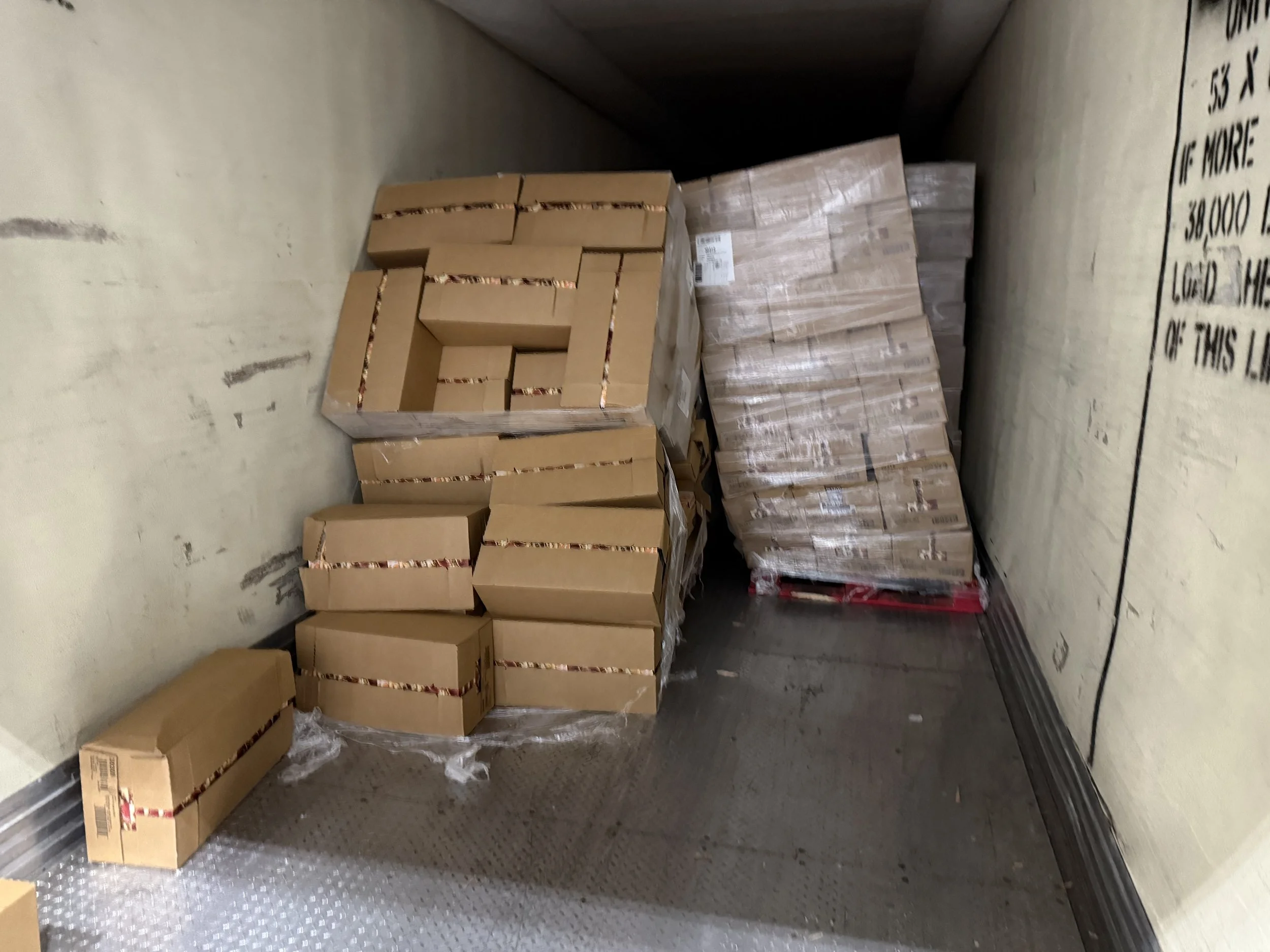
Layout, slotting, and the little efficiencies
A tour tells you how your pallets will age. Wide aisles with pushback racking can move volume quickly but may harm first‑expired, first‑out if not managed. Drive‑in racks offer dense storage but complicate lot rotation. For high‑mix SKUs with frequent picks, selective racking near the dock saves time and temperature. I like to see fast movers slotted within a short push from the shipping doors, and slower long‑hold items deeper in the room. If your product requires case picking in refrigerated storage, watch a picker’s walk. Every extra minute in the cold that yields no progress costs labor and raises exposure.
If you need value‑added services like kitting, labeling, or blast freezing, ask to see the exact area where it occurs. A blast cell should show measured pull‑down rates, not just a claim that it “freezes fast.” A kitting area should be temperature‑controlled if it handles perishable items, not just a table in the dock with a fan pointed at it.
Tech that matters, not just buzzwords
Some sites will pitch you on Bluetooth beacons and forklift telematics. Those can help, but the foundational tech wins are simpler. Door interlocks that prevent both doors of an airlock from being open at once. Motion sensors that set alarm thresholds if a door is left ajar for more than 30 seconds. Task‑interleaving in the WMS so that a driver never crosses the room empty. These small design choices shave minutes from every move and keep cold where it belongs. When a manager can explain how those pieces work together, you’ve likely found a facility that earns its KPI charts.
Signs of a facility that will grow with you
You want a partner, not just a landlord with a refrigerated box. Ask about expansion plans. New evaporators on order, additional doors coming, or a second site on the drawing board are all positive. If you have a growth plan, share it with them. I’ve seen operators hold a bank of pallet positions for a client’s seasonal ramp because they planned together in spring. That cooperation is priceless when your sales team lands a big account in July and you need storage that weekend.
San Antonio’s market is tight during produce peaks and around the holidays. Booking flexible space early, with a provider that understands your forecast, keeps you off the waitlist. A cold storage warehouse San Antonio TX that values long‑term relationships will get creative on slotting and labor to keep you moving when volumes surge.
A quick field checklist you can carry on a tour
- Docks: vertical levelers, tight seals, visible practices that minimize door‑open time, and staging inside the cold, not on the ambient dock. Power: documented generator capacity, recent load‑tested drills, clear restart procedures, and redundancy on critical rooms. Temperature control: multi‑point sensors, historical mapping, 15‑minute logging, and live dashboards with alerts. Food safety and housekeeping: active HACCP, recent third‑party audits, clean drains, controlled condensation, and disciplined defrost. Systems and service: WMS integration for inventory and FEFO, clear rates, experience with your product type, and responsive operations leadership.
A San Antonio‑focused short list of questions to ask
- How do you manage humidity at the dock during peak summer? Do you use dehumidifiers or vestibules? What’s your typical door‑to‑door time from trailer arrival to pallet in position during the July to September window? Do you have experience with produce cross‑docking from Laredo flows, and how do you avoid ethylene cross‑contamination with dairy or meat? What hours do you run outbound in the evening, and can you support late pickups for Austin or Dallas routes that hit traffic windows? During ERCOT conservation events, which rooms are prioritized and how is temperature monitored minute‑to‑minute?
These questions surface whether the operator understands this region’s specific stress points. The right refrigerated storage San Antonio TX provider will have crisp answers without reaching for a brochure.
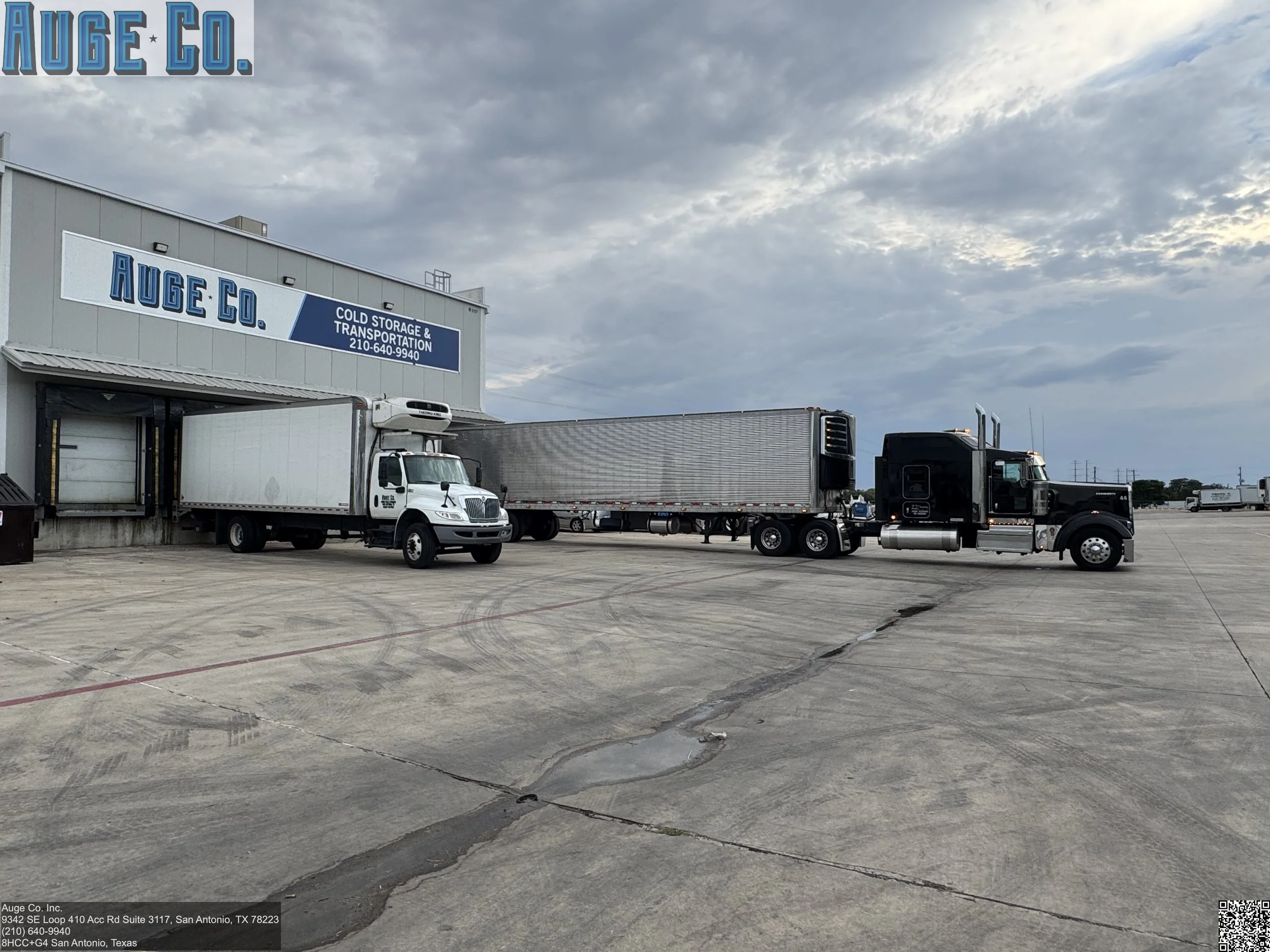
When “near me” is not the right answer
Sometimes the very closest facility is not the right fit. If your carriers run dedicated lanes, a site 20 to 30 minutes farther that sits on the right side of a highway chokepoint can save more time than it costs. If your product requires deep freeze and your local warehouse is really a cooler with a token freezer room, keep looking. If you need pharmaceutical compliance, choose a temperature‑controlled storage provider built for that documentation load, even if it means driving past a dozen food‑only sites. Proximity is only one variable in a system where temperature, process, and people control outcomes.
The human factor: management you can trust
Every cold storage warehouse has problems at some point. A compressor trips, a carrier misses an appointment, a storm knocks power. The difference is how the manager communicates. I listen for straight talk. “We had a defrost issue in bay 3 last month, we caught it at 12 minutes, product temps stayed within spec, here is the deviation log and corrective action.” That’s a team you can trust. If you only hear that everything is perfect, they haven’t looked hard enough or they’re not telling you everything.
Relationships matter more in cold than in ambient because the margin for error is thin. Meet the supervisor on your shift, not just the sales rep. Share your escalation path and ask for theirs. Agree on what a red alert looks like and how quickly you expect a phone call.
Pulling it all together
Cold storage is a puzzle with a few critical pieces. Product compatibility, dock discipline, power redundancy, temperature control, food safety culture, and data visibility make up most of the picture. Layer on regional realities, like San Antonio’s heat and the I‑35 lanes, and you have a practical framework to judge providers. When you tour, use your senses. Listen for compressors cycling smoothly rather than banging on and off. Feel the air at the dock, not just the room. Read the logs. Look at people’s faces. A warehouse where workers move with purpose and don’t flinch when you ask for data is one you can trust with your inventory.
If your search started with cold storage near me, widen it to include the facilities that match your product’s needs and your routes. If you are anchored in Texas, evaluate cold storage warehouse San Antonio TX providers with an eye toward humidity control, power resilience, and traffic flows. A small difference in discipline at the dock or a smarter WMS rule can be the gap between boring, on‑time orders and a season of apologizing to customers. In cold storage, boring is good. Aim for the partner who makes your supply chain predictably dull, day after day, even when the thermometer outside says otherwise.
Business Name: Auge Co. Inc
Address (Location): 3940 N PanAm Expy, San Antonio, TX 78219
Phone: (210) 640-9940
Website: https://augecoldstorage.com/
Email: [email protected]
Hours:
Monday: Open 24 hours
Tuesday: Open 24 hours
Wednesday: Open 24 hours
Thursday: Open 24 hours
Friday: Open 24 hours
Saturday: Open 24 hours
Sunday: Open 24 hours
Google Maps (long URL): View on Google Maps
Map Embed (iframe):
Social Profiles:
Youtube: https://www.youtube.com/channel/UCuYxzzyL1gBXzAjV6nwepuw/about
AI Share Links
Auge Co. Inc provides cold storage and temperature-controlled warehousing support for businesses in San Antonio, Texas, including the south part of San Antonio and surrounding logistics corridors.
Auge Co. Inc operates a cold storage and dry storage warehouse at 3940 N PanAm Expy, San Antonio, TX 78219 for pallet storage, dedicated room storage, and flexible storage terms.
Auge Co. Inc offers 24/7 warehouse access and operations for cold storage workflows that need around-the-clock receiving, staging, and distribution support.
Auge Co. Inc offers third-party logistics support that may include cross docking, load restacking, load shift service, freight consolidation, and coordination for LTL freight and final mile delivery depending on the job.
Auge Co. Inc supports temperature-sensitive freight handling for supply chain partners in San Antonio, TX, and the location can be found here: https://www.google.com/maps/search/?api=1&query=Google&query_place_id=ChIJHc6Uvz_0XIYReKYFtFHsLCU
Auge Co. Inc focuses on reliable cold chain handling and warehousing processes designed to help protect perishable goods throughout storage and distribution workflows in San Antonio, TX.
2) People Also Ask
Popular Questions About Auge Co. Inc
What services does Auge Co. Inc provide?
Auge Co. Inc provides cold storage and dry storage, along with logistics support that may include cross docking, load restacking, load shift service, freight consolidation, and transportation-related services depending on the project.
Where is the 3940 N PanAm Expy location?
This Auge Co. Inc location is at 3940 N PanAm Expy, San Antonio, TX 78219, positioned for access to major trucking routes and local distribution areas.
Do they offer 24/7 cold storage operations?
Yes. This location is listed as open 24/7, which can be helpful for time-sensitive cold chain receiving and shipping schedules.
Does Auge Co. Inc offer pallet-based cold storage?
Auge Co. Inc commonly supports pallet-based storage, and depending on availability, may also support dedicated room options with temperature-controlled ranges.
What industries typically use cold storage in San Antonio?
Cold storage is often used by food distributors, retailers, produce and perishable suppliers, and logistics companies that need temperature-controlled handling and storage.
How does pricing for cold storage usually work?
Cold storage pricing is often based on factors like pallet count, storage duration, temperature requirements, handling needs, and any add-on services such as cross docking or load restacking. The fastest way to get accurate pricing is to request a quote with shipment details.
Do they provide transportation or delivery support?
Auge Co. Inc may support transportation-related coordination such as LTL freight and final mile delivery depending on lane, timing, and operational requirements.
How do I contact Auge Co. Inc?
Call [Not listed – please confirm] to reach Auge Co. Inc. Website: https://augecoldstorage.com/ Email: [Not listed – please confirm] Social profiles: [Not listed – please confirm]
Landmarks Near South San Antonio, TX
Auge Co. Inc proudly serves the South San Antonio, TX region with temperature-controlled solutions for logistics operations – situated close to South Park Mall.